A Skyvern review should answer a practical buying question: can a team keep a portal automation running after the first successful demonstration? Skyvern combines AI-driven browser tasks, a workflow builder, credentials and run inspection. It is a relevant option for recurring website processes, though the platform's breadth does not make every third-party portal reliable.
What the platform offers
Skyvern provides a browser-automation agent with Cloud and open-source, self-hosted deployments. Its published features include browser tasks, forms, extraction, chained workflows, credential support and operational logs. The open-source project describes an AGPL-3.0 license, which teams intending to redistribute or embed it should review carefully.
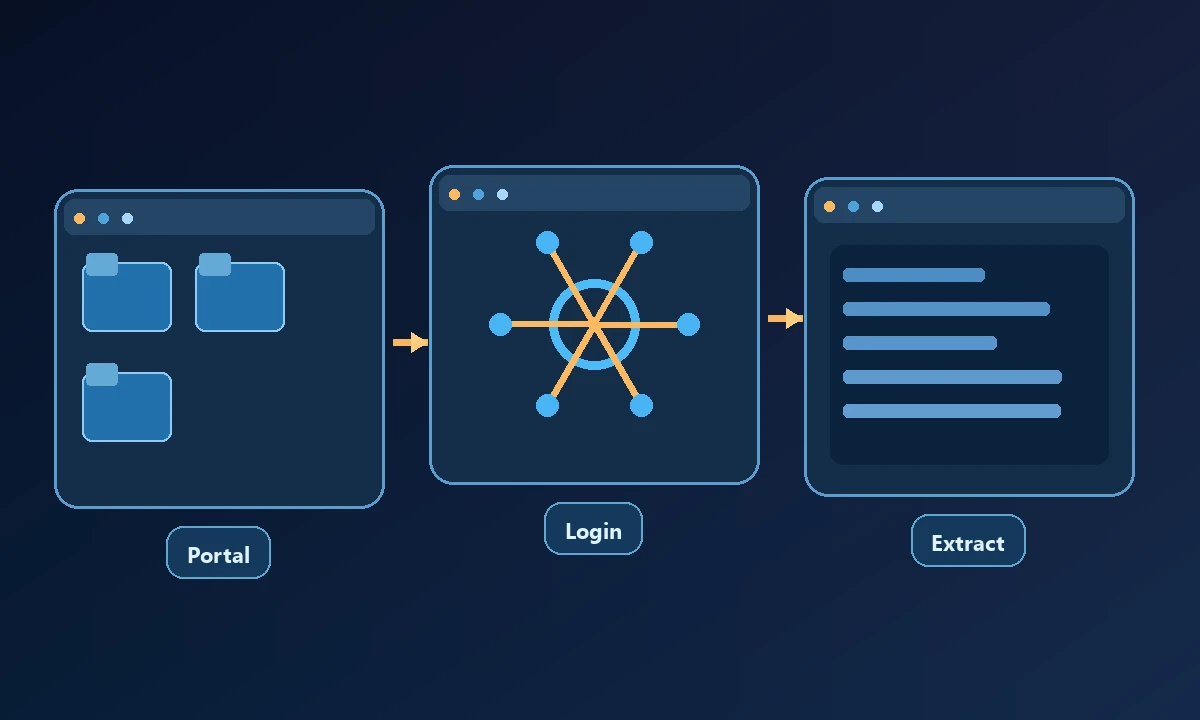
The vendor uses computer vision and language models to interact with websites whose layout may change. That can reduce dependence on fixed selectors, but a model can still misunderstand a record or enter the wrong data. Verification remains the workflow owner's responsibility.
For a business that repeats web portal work every morning, Skyvern's workflow focus deserves a fair look. An operations lead will care less about a single successful demonstration than whether the next run handles an expired session and shows what happened. The Browser Use versus Skyvern comparison places those strengths alongside developer-owned browser-agent code and the maintenance burden each approach creates.
Where it fits an operations team
An accounts-payable specialist downloading monthly supplier statements needs a date filter, authenticated access, a reliable file download and an exact check on the supplier and period. Skyvern's workflow editor can organize that sequence and its run history can help investigate a failure.
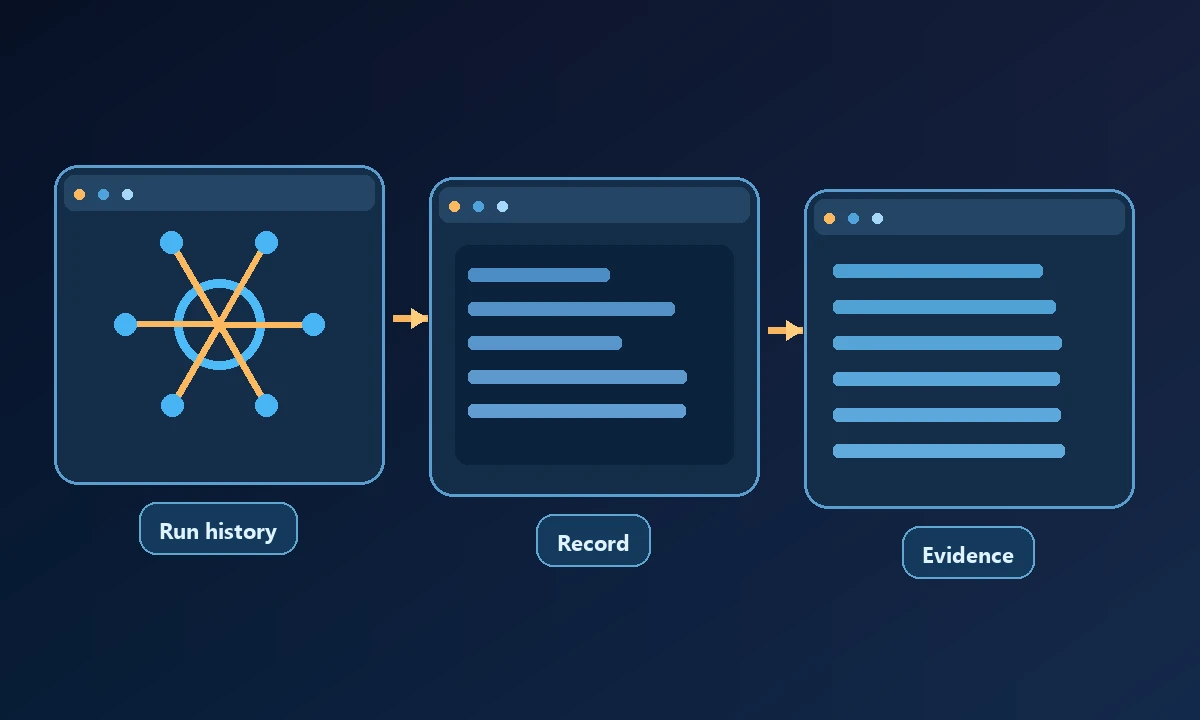
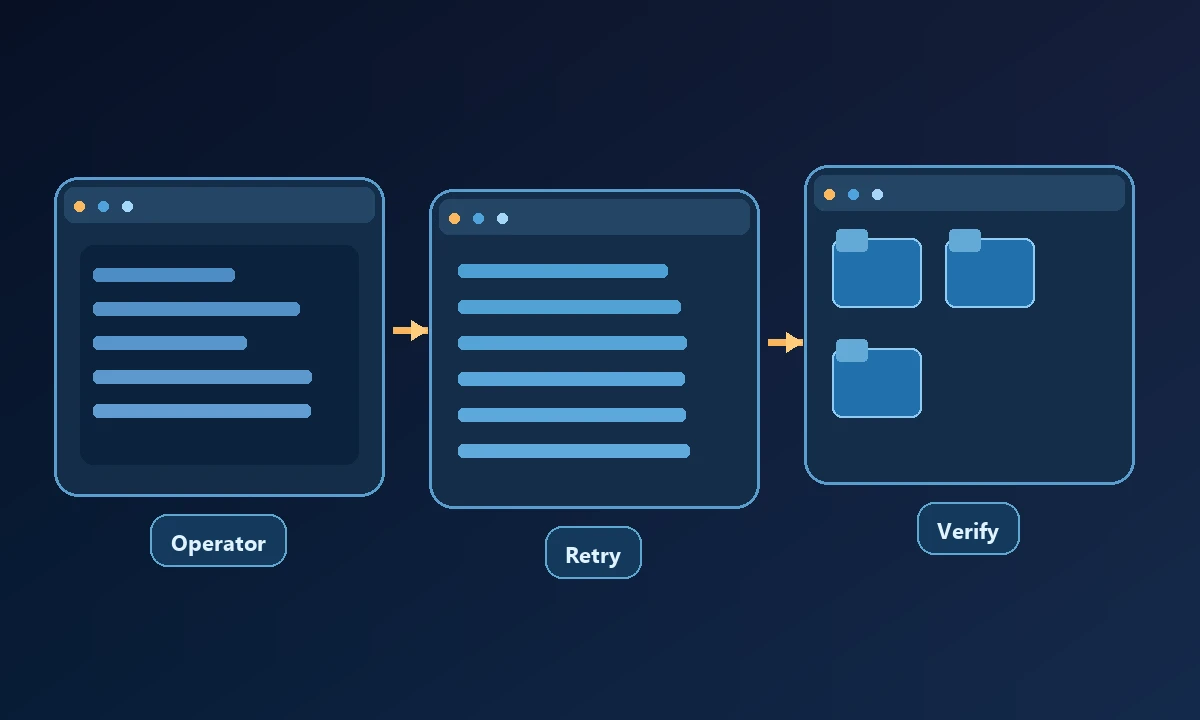
When trialing it, check what operators see after a job stalls. The interface should distinguish an incomplete task from a completed one, and show enough evidence to repair a failure without blindly resubmitting.
Strengths that warrant a test
The managed service advertises APIs, webhooks, persistent browser sessions, stored credentials and tools for authentication. This can reduce work for teams that would otherwise assemble several browser libraries and monitoring services. These statements describe the vendor's published capabilities; they are not independent benchmark results.
A recurring workflow that stays entirely inside websites might use a hosted browser environment without needing remote workstation access. If a document must be opened in a native Windows utility after download, Noxgild can operate the authorized computer on which that utility is installed. It would be misleading to portray those device operations as an inherent Skyvern limitation if the business never needs them; they simply address another execution surface.
An authorized approval checkpoint is important if a workflow could submit an order or change account settings. The OWASP LLM Application Security Project is a useful reference for protecting agents from untrusted web content.
Limitations and expense
Skyvern controls websites rather than arbitrary native Windows programs. Captchas, multifactor authentication and portal changes may still create intervention points, with handling dependent on plan and configuration. Its listed plans use credits, so plan selection should follow a measured pilot rather than a conversion guess.
The published pricing currently displays Free, Hobby, Pro and Enterprise tiers. Record the actual credits consumed by one verified workflow, plus any authentication or proxy constraints, before projecting monthly expense.
For a realistic trial, export a sample statement, verify the supplier and billing period, and intentionally interrupt the session once. A completed process must produce a correct file and a usable failure record. Where owner-controlled workstations are in scope, the computer-access safeguards should inform permissions for that additional layer. Skyvern is a candidate when the problem is repeatable browser work; use another component only for a separately demonstrated need.
When a different execution layer helps
Verdict
Skyvern is worth a pilot for browser-centered operations teams that need reusable workflows and visibility into execution. Run several representative jobs, verify each downloaded artifact and intentionally interrupt one task. The quality of recovery, not just a green demo, should determine whether it becomes part of your stack.