
Browser Use vs Skyvern matters when an operations team needs AI to finish work across websites rather than merely opening pages. Browser Use centers a programmable browsing agent and hosted browser service; Skyvern emphasizes recurring workflows, credentials and visual orchestration. Both operate websites. Neither automatically controls a separate Windows application.
Start with the actual job
Consider an accounts-payable team exporting statements from five supplier portals. The task includes signing in, selecting the right period, downloading records and verifying each file. A developer inspecting a public product catalog needs a different tool: the ability to change Python code, model settings and output checks. Before comparing demonstrations, write down the desired result and who will maintain the workflow.
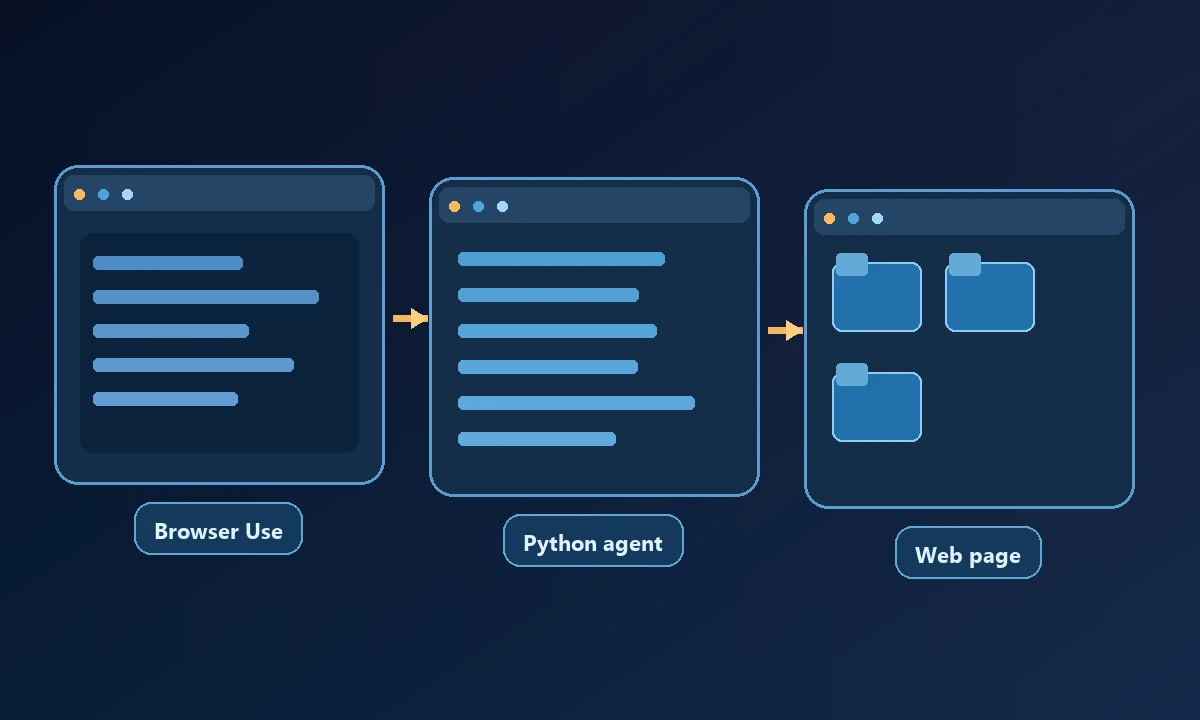
A successful login does not prove an export completed correctly. For a purchasing workflow, save the final artifact and its identifier; for research, save the selected records and the query conditions.
Suppose a purchasing team must visit five supplier portals, authenticate, download statements and verify each file's date. The hard part is not navigating to the login page; it is keeping the process correct when the portal layout or session changes. Our browser automation roundup helps place Browser Use and Skyvern among code-owned agents, managed workflows and simpler deterministic tools.
Browser Use: code and cloud agents
Browser Use maintains a Python library for model-driven browser operation, alongside hosted browsers and an Agents API. Its October 2026 pricing publishes browser infrastructure from $0.02 per browser-hour with model and network charges separately. This is a metering component rather than the price of a completed workflow.
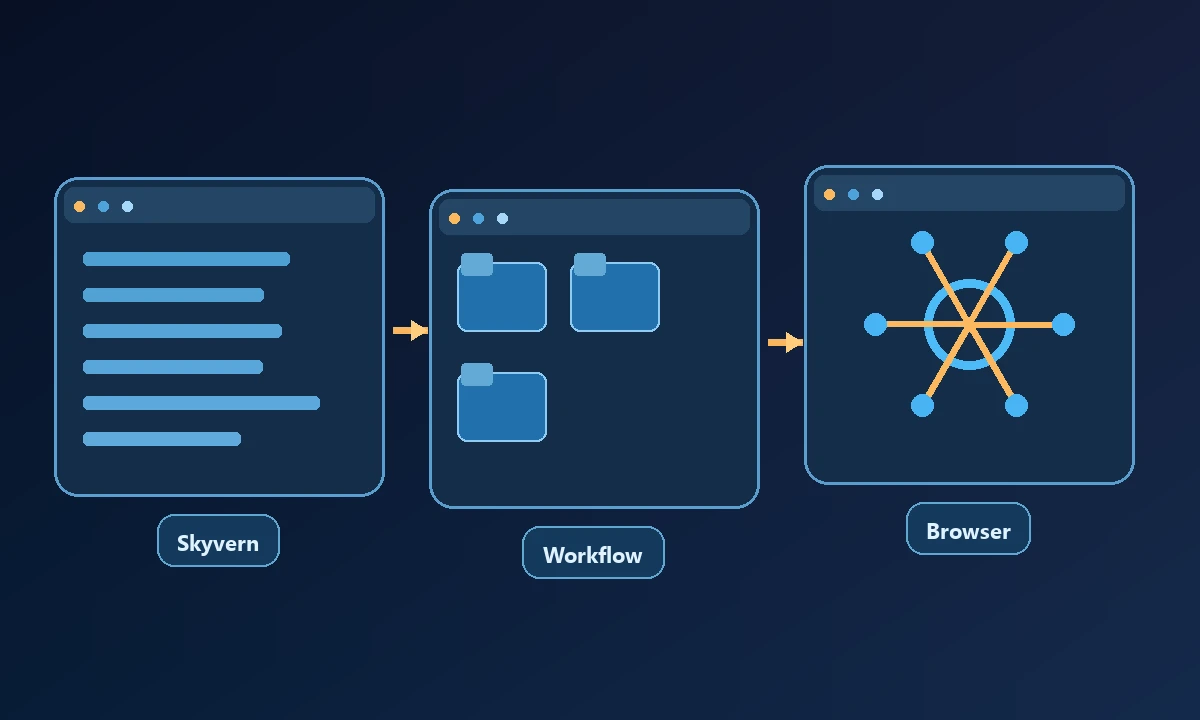
The library appeals to developers who want to inspect the execution loop, choose a model and build a custom verification step. Its browser-harness approach can also connect to an authorized local Chrome profile with explicit permission. A hosted browser does not inherit employees' cookies simply because it uses the same website.
Skyvern: workflows and operator visibility
Skyvern provides a browser agent, a workflow builder and tools for recurring tasks, data extraction, credentials and run inspection. Its Cloud plans use credits; published plans currently show 5,000 free credits, 30,000 on Hobby and 150,000 on Pro. Those numbers do not tell you the cost per completed invoice without observing actual consumption.
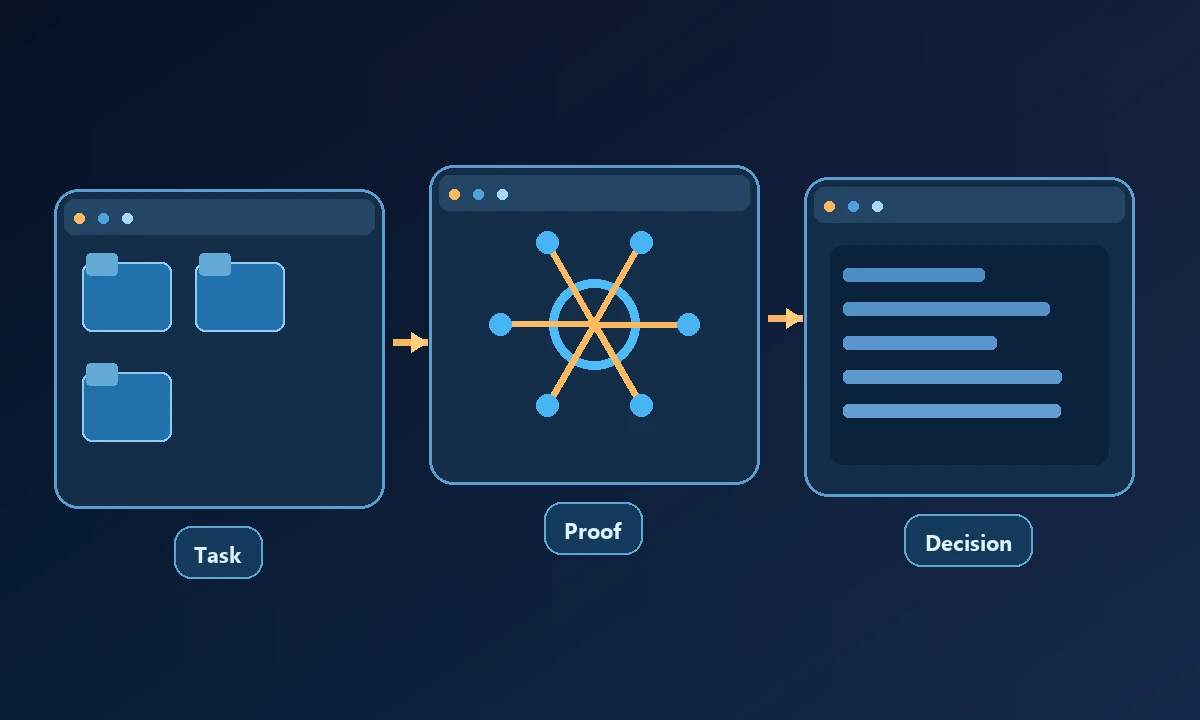
A team that wants non-developers to understand a repeatable task may prefer a workflow-builder interface. Check the quality of error reporting, approvals and recovery on the exact portal you plan to automate.
What to compare in a pilot
Measure first-try completion, retries, output correctness and cost per verified task. Include one harmless page-layout change and one expired-session scenario. Treat a visible failure as better than a silent incorrect submission. The NIST AI Risk Management Framework offers useful guidance for testing reliability and monitoring over time.
Where a computer bridge fits
If those portals can be operated in a separate online environment, Noxgild's cloud browser capability is another execution option to consider. When the business requires an existing authenticated profile on a permitted computer, using that signed-in browser session solves a different problem. The latter cannot be assumed to work in the same way as a newly created hosted browser; the user has to decide where credentials and account state belong.
Take one low-risk document export and run it five times through each shortlisted approach. Record correct files, failed logins, retries and cost per verified export. The authorized-computer access model becomes relevant only if a Windows application or device-local file enters the workflow. A vendor winner for browser extraction may still be the wrong choice for a task that needs native desktop steps.
Choose on ownership, not demos
Choose Browser Use when developers want to build and inspect browser agent logic. Choose Skyvern when recurring portal processes and operator visibility are the purchase drivers. Run the same low-risk task five times and compare the resulting artifacts before choosing either.